

Aluminum Fence Supplies, Chain Link Fence Supplies, Crystal River Fence supplies, Fence material near me, Fence Supplies, Fence Supply Hudson, Florida fence supplies, Hernando County fence supplies, Pasco County Fence Supplies, Vinyl fence supplies
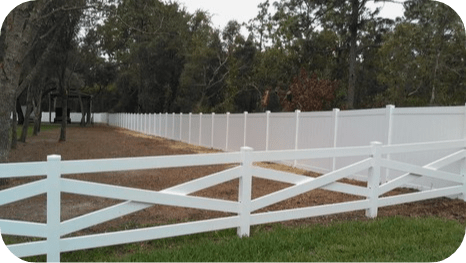

WE SUPPLY THE MATERIALS — WE DO NOT INSTALL.
Take Control of Your Outdoor Space: Why DIY Fence Installation in Spring Hill, FL, Makes Sense
For homeowners in Spring Hill, FL, installing a fence is about more than just privacy—it’s about protecting your property, enhancing curb appeal, and creating functional outdoor living areas in a region known for its subtropical climate and coastal exposure. With rising material and labor costs, many residents are turning to DIY fence installation to save money and customize their projects to match local conditions. While professional installation offers convenience, tackling the job yourself gives you full control over materials, timeline, and craftsmanship—critical when building to withstand Florida’s intense sun, heavy rains, and salty Gulf breezes.
This guide will walk you through the essential steps of planning and executing a successful DIY fence project in Spring Hill. You’ll learn how to choose the right materials based on soil type, wind load, and humidity resistance, navigate local zoning rules and property setbacks, and avoid common installation mistakes—like improper post depth in sandy soil or using untreated wood near marshland. We’ll cover tools you’ll need, safety tips for working in hot conditions, and best practices for ensuring your fence stands strong through hurricane season. Whether you’re enclosing a backyard, securing a pool, or defining property lines, DIY fencing can be a rewarding, cost-effective solution when done right.
Plan, Permit, and Prepare: Your Step-by-Step Guide to DIY Fence Installation in Spring Hill, FL
Installing a fence in Spring Hill, FL, starts long before the first post is set. With Hernando County’s unique mix of sandy soil, coastal exposure, and strict property regulations, success hinges on smart planning, proper permitting, and thorough site prep. Follow these essential steps to ensure your DIY fence project runs smoothly and complies with local standards.
- Review Hernando County Zoning and HOA Rules
Check fence height limits (typically 8 feet for backyards), setback requirements, and material restrictions. Front yard fences are often limited to 4 feet. If your neighborhood has a homeowners association, submit plans for approval before purchasing materials. - Confirm Property Lines
Use a certified survey or hire a professional land surveyor to mark your boundaries. This prevents disputes with neighbors and ensures your fence stays within legal limits. - Call 811 for Utility Locates
Two full business days before digging, request a free utility line inspection. This identifies buried gas, water, electric, and communication lines to avoid dangerous and costly accidents. - Mark the Fence Line
Use stakes and string to outline your proposed fence. Adjust for slope, trees, and drainage patterns common in Spring Hill’s flat, humid terrain. - Secure Permits if Required
While most residential fences under 6 feet don’t need a permit, exceptions apply near wetlands, easements, or for structural fencing. Confirm with the Hernando County Building Division. - Prepare the Site
Clear vegetation, rocks, and debris. For chain link, ensure posts will rest on stable ground—avoid low spots where water accumulates after summer storms.
Pro tip: Buy materials only after measurements and approvals are final. Opt for UV-resistant, corrosion-proof components built for Florida’s heat, humidity, and Gulf breezes.
Choosing the Right Fence Material for Spring Hill’s Humid, Coastal Environment
When installing a fence in Spring Hill, FL, selecting the right material is critical to ensuring longevity, curb appeal, and minimal upkeep in a region defined by high humidity, salt air, and intense UV exposure. Homeowners must weigh the pros and cons of chain link, vinyl, and aluminum—all commonly available and well-suited to Florida’s unique climate—based on their property’s exposure and long-term maintenance goals.
Chain Link Fencing, such as galvanized or vinyl coated, is a secure but affordable option and is widely used in residential areas. Both of these options hold up very well to the hot summers and mild winters in Spring Hill**
Vinyl fencinghas become a top choice for Spring Hill properties due to its resilience. Modern, UV-stabilized vinyl resists fading, cracking, and swelling, even after years of sun exposure. It’s impervious to moisture, making it ideal for flood-prone yards or coastal-adjacent lots. With minimal maintenance beyond occasional rinsing, vinyl offers long-term savings and durability.
Aluminum fencing** provides a lightweight yet strong option for pool enclosures, perimeter security, or ornamental accents. Unlike steel, aluminum won’t rust, even in salty, humid air, and holds up well during storm seasons. It requires little maintenance and comes in powder-coated finishes that resist chipping and fading.
When deciding, consider your yard’s microclimate, HOA guidelines, and how much time you’re willing to dedicate to upkeep—your material choice will shape your fence’s performance for years to come.
5 Local Challenges Homeowners Face When Installing Fences in Spring Hill, FL
Spring Hill’s unique Gulf Coast environment presents specific hurdles for DIY fence projects—knowing how to navigate them is key to building a lasting, code-compliant barrier. From shifting soil to strict neighborhood rules, here are five common local challenges and how to address them effectively.
- Sandy Soil Compromises Fence Post Stability
The loose, sandy soil typical across Spring Hill offers poor structural support, increasing the risk of post movement or sinking. To ensure longevity, dig post holes at least 24–30 inches deep and use a concrete footing. Consider using longer posts for deeper anchoring, especially for taller fences or windy areas near the coast. - Humid, Salt-Rich Air Accelerates Material Deterioration
With high humidity and proximity to coastal breezes, untreated wood and low-grade metals degrade quickly. Opt for pressure-treated lumber, vinyl, or aluminum with corrosion-resistant coatings. Use stainless steel or galvanized fasteners to prevent rust and avoid untreated steel components. - HOA Rules Dictate Appearance and Placement
Many Spring Hill neighborhoods operate under strict homeowner association guidelines. These often regulate fence height, color, material, and visibility from the street. Submit design plans for approval before purchasing materials to avoid costly removal or modifications later. - County Zoning Laws Affect Permits and Setbacks
Hernando County enforces setback rules and easement restrictions, especially near wetlands or utilities. Verify your property lines with a survey and confirm local zoning requirements before installation. Fences over 6 feet typically require permits, and front yard designs may face aesthetic limitations.
Stay Compliant: Navigating Hernando County Zoning and HOA Rules for Your Fence Project
Installing a fence in Spring Hill, FL, isn’t just about materials and tools—it’s about understanding the local regulations that protect property values and community standards. Hernando County enforces specific zoning ordinances, and many neighborhoods are governed by HOAs with additional requirements. Ignoring these can lead to fines, removal orders, or disputes with neighbors—issues easily avoided with proper planning.
Hernando County allows standard residential fences up to 8 feet tall in rear yards and 4 feet in front yards, but setbacks may vary depending on your property’s location, especially near wetlands, easements, or coastal zones. Fences near sidewalks or driveways often have height and placement rules to ensure visibility and safety. Always verify your lot’s specific zoning classification through Hernando County’s planning department before starting your project.
Meanwhile, HOAs in Spring Hill often have stricter rules. Some dictate fence style, color, material—even how much of the structure is visible from the street. Many require pre-approval before installation begins. Submit a detailed plan showing height, materials, gate placement, and alignment with property lines to avoid delays.
To stay compliant:
- Obtain a property survey to verify boundary lines
- Call 811 to mark underground utilities before digging
- Review both county codes and HOA guidelines
- Keep copies of all approvals and correspondence
Following these steps ensures your DIY fence enhances your home without legal hiccups.
Frequently Asked Questions About DIY Fence Installation in Spring Hill, FL
What tools do I need to install a fence myself in Spring Hill?
A successful DIY fence project starts with the right tools. Essential items include a post hole digger or power auger, measuring tape, string line, level (laser models help on uneven terrain), shovel, drill/driver, and a saw for trimming rails or pickets. For concrete-set posts, a mixing tub and wheelbarrow streamline the process. Spring Hill’s sandy soil demands extra attention, so having a tamping tool to compact backfill around posts ensures long-term stability.
How long does a typical DIY fence installation take in Spring Hill?
Most homeowners complete a 100-linear-foot fence in 4–7 days, depending on material type and yard conditions. Vinyl and pre-assembled panels install faster than wood, while areas with dense vegetation or rocky patches may slow progress. Schedule your build during drier months—Florida’s summer rains can delay concrete curing and make digging more difficult.
What safety precautions should I take during installation?
Always wear work gloves, safety goggles, steel-toed boots, and hearing protection when using power tools. Use a dust mask when cutting treated wood or composite materials. Spring Hill’s hot, humid climate means frequent hydration breaks and sunscreen are essential. Avoid working during peak sun hours to prevent heat exhaustion.
Do I need to call 811 before digging in Spring Hill, FL?
Yes—calling 811at least two business days before digging is required. It’s a free service that marks buried utility lines and helps prevent dangerous accidents. This is especially crucial in Spring Hill, where underground irrigation systems and coastal utilities are common.**
Where can I find reliable local resources and materials for my project?**
Look for locally stocked suppliers like Nature Coast Fence Supply offering materials designed for Florida’s humid, salt-exposed environment. Choose UV-resistant vinyl, galvanized or aluminum hardware, and galvanized or vinyl coated chain link. Many home improvement centers and specialty fencing suppliers in Hernando County carry products suited for coastal resilience—ensuring faster project completion and long-term durability.
Building a Better Backyard: Is Your DIY Fence Ready for Spring Hill’s Elements?
Installing a fence in Spring Hill, FL, isn’t just a home improvement project—it’s an investment in durability, privacy, and long-term property value. The Gulf Coast environment demands smart planning, from selecting UV- and moisture-resistant materials like vinyl or aluminum to properly setting posts in sandy soil with deep, compacted concrete footings. As outlined throughout this guide, success hinges on understanding local zoning rules in Hernando County, accounting for high humidity and salt exposure, and preparing for the region’s frequent wet-dry soil cycles that can shift unsecured posts over time.
To ensure a smooth DIY experience, start by confirming property lines and calling 811 to clear underground utilities. Choose materials engineered for Florida’s climate—avoid untreated wood or standard steel fasteners prone to rust. Opt for pre-galvanized hardware and UV-stabilized vinyl or pressure-treated, sealed lumber to reduce long-term upkeep.
If you’re unsure about structural integrity, gate placement, or compliance with local codes, don’t hesitate to consult the professionals at Nature Coast Fence Supply before proceeding. For those ready to start, create a detailed plan, gather weather-appropriate tools, and allow extra material for adjustments. With careful execution, your Spring Hill fence can provide lasting performance, security, and peace of mind. Your outdoor space is worth building right—take the next step with confidence.
Nature Coast Fence Supply proudly serves:
Spring Hill, Brooksville, Weeki Wachee, Hernando County, Homosassa, Crystal River, Citrus County, Pasco County, Tampa, Hudson, Port Richey, New Port Richey, Lecanto Call Us Today for a Quote. 352-710-9991
