

WE SUPPLY THE MATERIALS — WE DO NOT INSTALL.
Fence material near me, Fence Supplies, Fence Supply Hudson, Pasco County Fence Supplies, Vinyl fence supplies

WE SUPPLY THE MATERIALS — WE DO NOT INSTALL.
Facing Florida’s Elements: What You Need to Know Before Picking Your Fence
In Hudson, FL, where relentless sun, humidity, and salt air dominate the climate, choosing between wood and vinyl fencing isn’t just about aesthetics—it’s a decision that impacts long-term durability, upkeep, and property value. Homeowners and property managers alike face constant challenges from rot, warping, fading, and insect damage, all accelerated by the coastal environment. This guide breaks down the key factors that matter most: how each material handles weather exposure, the true cost of maintenance, and how both options contribute to lasting curb appeal and security.
You’ll learn how vinyl’s non-porous, UV-stabilized construction resists moisture absorption and fading, making it ideal for high-humidity zones and properties near coastal inlets. In contrast, wood fencing, while offering a classic look, demands biannual sealing and staining to prevent deterioration—efforts that often fall short in flood-prone or salt-exposed areas. We’ll also explore long-term value, comparing lifespan estimates and lifecycle costs so you can weigh upfront pricing against decades of performance.
By the end, you’ll have a clear roadmap for selecting the right fence type based on your property’s location, exposure, and maintenance tolerance—ensuring your investment stands strong against Florida’s unpredictable weather for years to come.
How Wood and Vinyl Fences Stack Up Against Hudson’s Harsh Coastal Environment
Choosing between wood and vinyl fencing in Hudson, FL, means weighing how each material handles the region’s relentless humidity, salt air, and intense UV exposure. While both offer distinct aesthetic appeal, their performance over time in the Nature Coast climate tells a very different story.
Wood fencing, though valued for its natural look, faces constant challenges in this environment. Even pressure-treated varieties absorb moisture over time, leading to swelling, warping, and eventual rot—especially at the base where contact with damp soil accelerates decay. Without biannual sealing and staining, wood loses its finish quickly, fading to gray and becoming vulnerable to mold and insect infestation. In coastal areas within miles of the Gulf, salt spray further degrades wood fibers and fasteners, shortening its functional lifespan to 10 years at best under average maintenance.*
Vinyl fencing*, by contrast, is engineered for these exact conditions. Made from PVC with UV inhibitors, it resists fading, chalking, and brittleness caused by prolonged sun exposure. Its non-porous surface prevents water absorption, eliminating the risk of swelling or rot—critical in Hudson’s high-humidity zones. Vinyl also stands up to salt air without corroding, preserving both appearance and structural integrity. With a 30 year or more lifespan and only periodic rinsing needed for upkeep, vinyl delivers long-term reliability where wood demands ongoing investment. For homeowners in Hernando and Citrus counties, selecting vinyl means choosing lasting performance with minimal maintenance.
Maintenance Showdown: Wood vs Vinyl Fencing in Hudson’s Humid Climate
When it comes to long-term upkeep, wood and vinyl fences in Hudson, FL couldn’t be more different. Homeowners in this coastal region face relentless humidity, salt air, and intense sun—factors that dramatically influence how often and how much maintenance each type demands.
Wood fencing requires a rigorous maintenance schedule to survive Hudson’s damp, subtropical environment. Key tasks include:
- Staining every 1–2 years to prevent moisture absorption and UV degradation
- Sealing annually to protect against mold, warping, and base rot
- Routine cleaning with mildewcide solutions to combat frequent fungal growth
- Biannual inspections for termite damage, loose boards, or sagging posts
Without this consistent care, wood fences often begin to crack, fade, or deteriorate within 5 years—especially near tidal zones or properties close to the Gulf.
Vinyl fencing, by contrast, is engineered for low-intervention durability. Maintenance boils down to:
- Semi-annual rinsing with a garden hose or soft pressure wash to remove salt buildup and grime
- Occasional wiping with soapy water for stubborn stains
- No painting, staining, or sealing ever required
- Rare repairs, typically limited to replacing a specific piece damaged by impact
Thanks to UV-stabilized PVC and non-porous construction, vinyl resists fading, swelling, and pest damage—making it a smarter long-term choice for busy homeowners and coastal properties alike. In Hudson’s high-moisture environment, this low-care advantage translates into real time and cost savings year after year.
Breaking Down the True Cost: Wood vs Vinyl Fencing Over Time in Hudson’s Climate
When comparing wood fence vs vinyl fence in Hudson, FL, homeowners quickly realize that initial price tags don’t tell the full story. Over a 10 year span, long-term expenses including maintenance, repairs, and eventual replacement play a major role—especially in Florida’s humid, UV-intensive, and salt-exposed environment.
Wood fencing often has a lower upfront installation cost, but requires consistent upkeep to survive Hudson’s conditions. Expect to stain or seal every 1–2 years to prevent rot, warping, and mold growth. Without this, cedar and pressure-treated pine degrade rapidly—especially at the post bases where ground moisture collects. Within 7-8 years, board replacement or full reinstallation is common, particularly after storm exposure or termite activity common in coastal soil.*
Vinyl fencing*, while initially slightly more expensive to install, demands virtually no maintenance—no painting, sealing, or sanding. It resists fading from UV rays, won’t rot in humidity, and ignores termite threats. High-quality vinyl in Hudson typically lasts 30+ years with only periodic rinsing to remove salt spray or algae. Though replacement panels are rarely needed, they’re easily swapped if damaged.
Over two decades, the cumulative cost of wood maintenance and repairs often exceeds the initial investment in vinyl. For homeowners seeking durability, longevity, and minimal long-term effort, vinyl emerges as the more cost-effective, low-hassle solution specific to Florida’s demanding coastal ecosystem.
Aesthetic Longevity & Customization: How Wood and Vinyl Fences Age in Hudson, FL
When choosing between wood and vinyl fencing in Hudson, FL, long-term appearance and design flexibility are key factors—particularly in a region where intense sun, humidity, and salt air accelerate material aging. Each option offers distinct advantages in terms of color retention, style variety, and how it weathers over time.
Wood fencing delivers a classic, natural look that many homeowners love, but its appearance changes significantly without consistent upkeep. Over time, untreated wood grays, warps, or develops cracks due to Florida’s wet-dry cycles. Even pressure-treated pine or cedar requires staining every 1–2 years to maintain color and prevent fungal growth. Available in traditional styles like board-on-board, stockade, or picket, wood offers excellent customization in height (typically 3–8 feet) and can be painted or stained in a wide array of hues. However, fading and uneven wear are common even with maintenance.**
Vinyl fencing**, on the other hand, is engineered for aesthetic consistency. Modern UV-stabilized PVC resists fading, chalking, and yellowing, maintaining its original color for decades. Available in white, tan, gray, and even wood-grain finishes, vinyl comes in styles ranging from ornate pickets to solid privacy panels. Heights span 3 to 8 feet, with options to mix rail profiles and textures. Unlike wood, vinyl doesn’t require painting or staining—its color runs throughout the material, ensuring scratches or scuffs don’t expose raw layers.
For Hudson homeowners seeking a fence that looks new for years with minimal intervention, vinyl provides superior aesthetic longevity and design versatility.
Your Top Questions About Wood vs Vinyl Fencing in Pasco County
Do I need a permit to install a fence in Hudson, FL?
No—most cities in unincorporated areas of Pasco County do NOT require permits for fences 6 feet tall and shorter or those near wetlands, utility lines, or public rights-of-way. Always check with local zoning offices though before installation begins. Permit applications often require property surveys and fence diagrams and skipping this step when needed may lead to fines or removal orders.
How long does fence installation take—wood vs vinyl?
Wood fence installation typically takes 3–7 days due to on-site cutting, assembling, and finishing. Vinyl fencing, often pre-fabricated, can be installed in 1–4 days, depending on terrain and linear footage. Vinyl’s faster timeline comes from modular panel systems that snap or slide into reinforced posts, reducing labor intensity in sandy Florida soil.
Which fence holds up better in high winds?
Vinyl generally outperforms wood in wind resistance when properly installed. Its flexibility allows it to bend without breaking during gusts common in coastal Hudson. Reinforced vinyl posts with concrete footings resist uplift, while wood fences may warp or splinter under stress—especially older or moisture-damaged lumber.
Is vinyl more expensive upfront than wood?
Yes and no. Vinyl materials are typically higher in cost per linear foot compared to basic pressure-treated pine. However, the labor to physically build a comparable wood fence will cost you more up front. When factoring in long-term staining, sealing, and potential wood repairs every 5–7 years, vinyl often becomes more cost-effective within a decade.
Can either fence be repaired easily?
Wood repairs often require matching stain and skilled carpentry. Vinyl is simpler—one damaged panel, picket, rail, or post can be swapped without affecting the whole run, maintaining uniform appearance.
Does fence material affect homeowner association (HOA) approval?
Yes—many communities in Pasco County have strict guidelines on height, color, and materials. Vinyl’s clean profiles and consistent finishes frequently meet strict aesthetic codes, while wood may be restricted if not properly maintained.
Choosing the Right Fence for Your Hudson, FL Property: Final Thoughts
When weighing wood fence vs vinyl fence in Hudson, FL, the decision ultimately hinges on your priorities—whether it’s natural aesthetics, long-term value, or minimal upkeep. For homeowners who love the classic look of wood and enjoy seasonal maintenance projects, a properly treated wood fence can offer warmth and charm, especially in shaded, inland neighborhoods. However, in Hudson’s humid, salt-laden coastal environment, wood requires consistent staining, sealing, and vigilance against rot and pests to avoid premature deterioration.
Vinyl fencing, by contrast, excels in durability and low maintenance—making it ideal for properties near the Gulf, marshlands, or high-traffic zones. Resistant to warping, rust, and UV damage, vinyl holds up beautifully through hurricanes, heavy rains, and blistering sun without fading or structural compromise. Its 30+ year lifespan and minimal care requirements make it a smarter long-term investment for busy families, rental properties, and commercial sites alike.
Consider these practical takeaways:
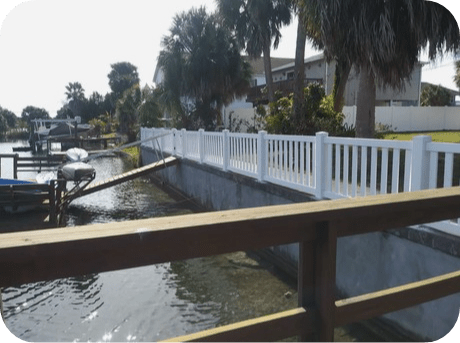
- For waterfront or poolside areas: choose vinyl for moisture and salt resistance
- For traditional curb appeal with hands-on upkeep: wood may suit your style
- For rental properties or HOA-regulated communities: vinyl offers consistency and code compliance
- For future resale: both materials add value, but vinyl reduces buyer concerns about immediate repairs
Assess your property’s exposure, lifestyle needs, and budget horizon. Then, give Nature Coast Fence Supply a call to explore fence styles that align with Hudson’s climate challenges. Your ideal fence isn’t just about appearance—it’s about performance that lasts.
Nature Coast Fence Supply proudly serves:
Spring Hill, Brooksville, Weeki Wachee, Hernando County, Homosassa, Crystal River, Citrus County, Pasco County, Tampa, Hudson, Port Richey, New Port Richey, Lecanto Call Us Today for a Quote. 352-710-9991
