

WE SUPPLY THE MATERIALS — WE DO NOT INSTALL.
Aluminum Fence Supplies, Chain Link Fence Supplies, Crystal River Fence supplies, Fence material near me, Fence Supplies, Vinyl fence supplies

Built to Withstand the Gulf Coast: Why Fence Materials Matter in Crystal River
Living along Florida’s Nature Coast means enjoying salty breezes, scenic waterfront views, and a lifestyle deeply connected to the outdoors—but it also means facing tough environmental challenges for outdoor structures like fencing. In Crystal River and surrounding coastal areas, fences are constantly exposed to salt spray, high humidity, intense UV radiation, and frequent storm surges, all of which can rapidly degrade unsuitable materials. Over time, standard wood can rot, metal may corrode, and even some vinyl can become brittle without proper formulation.
Choosing the right fence materials isn’t just about appearance—it’s a long-term investment in durability and performance. Coastal property owners need solutions engineered to resist saltwater corrosion, minimize moisture absorption, and maintain structural integrity during hurricane-force winds. Materials like marine-grade aluminum, reinforced vinyl, and hot-dipped galvanized chain link offer superior resistance to the region’s harsh conditions. Understanding these material differences helps homeowners make informed decisions that extend fence life, reduce maintenance costs, and ensure compliance with local codes. In this guide, you’ll learn how to evaluate and select the best fencing materials specifically suited to the demands of coastal Florida living.
Top 3 Fencing Materials Built to Last in Crystal River’s Coastal Climate
Living along the Nature Coast means beautiful views—but also salt spray, humidity, and frequent storms that can wreak havoc on standard fencing. Choosing the right material is critical for longevity, safety, and curb appeal. Here are the top fencing materials engineered to thrive in Crystal River’s challenging coastal environment.
- Vinyl (PVC) Fencing – Low Maintenance & Salt-Resistant
Vinyl is a top choice for coastal homeowners due to its resistance to moisture, rot, and salt corrosion. Unlike wood, it won’t warp or splinter over time and requires only occasional rinsing to remove salt buildup. Modern vinyl profiles offer the look of painted wood without the upkeep, making it ideal for pool enclosures and property boundaries near the water. - Aluminum Fencing – Lightweight Yet Durable
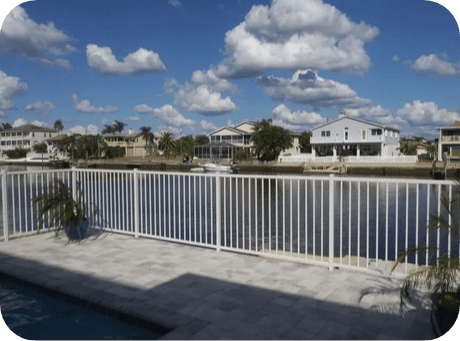
Aluminum stands up well to salt air and doesn’t rust like steel. It’s perfect for decorative perimeter fencing around homes and waterfront properties. While not as strong as steel, modern alloys provide enhanced strength and come in powder-coated finishes that resist fading from Florida’s intense UV exposure. - Vinyl Coated Chain Link – Maximum Durability
Standard galvanized chain link won’t last long near the coast. Upgrading to vinyl coated components—including posts, hardware, and fabric—dramatically improves resistance to corrosion. This makes it a smart, long-term solution for pool safety, pet containment, or perimeter security in high-wind zones.
Building Storm-Resistant Fences in Coastal Wind Zones
In Crystal River’s coastal environment, where tropical storms and persistent sea breezes are common, fence performance depends heavily on smart design and secure installation. Standard fencing often fails under high wind loads, leading to costly damage and safety risks. To ensure durability, consider key structural factors like height, materials, and anchoring methods.
Shorter fences generally experience less wind pressure, but when privacy or security demands greater height, use designs that allow wind to pass through—like horizontal slat vinyl or aluminum with strategic spacing. Solid wood or fully enclosed vinyl panels act like sails in strong gusts and should be reinforced or avoided in exposed areas.
Proper installation is critical. Always set posts in concrete with deeper footings—typically below the frost line and into stable soil. In sandy coastal ground, extend post depth by at least 6–12 inches for added stability. Consider aluminum beams in posts and/or rails for maximum rigidity.
Choose corrosion-resistant fasteners and hardware, especially near saltwater. Regular maintenance, like checking for loose components after storm seasons, helps extend fence life. By prioritizing wind-resilient design and robust anchoring, homeowners can build fences that stand strong through Florida’s most challenging weather.
Protect Your Coastal Fence with Smart Maintenance
Living near the water in Crystal River brings breathtaking views—but also harsh conditions that can degrade fencing materials over time. Salt spray, humidity, and intense sun accelerate corrosion, mold growth, and structural weakening, especially in vinyl, aluminum, and chain link fences. That’s why a consistent maintenance routine isn’t optional—it’s essential for longevity and performance.
Start with monthly visual inspections, focusing on the base of posts, gate hinges, and any metal components. Look for signs of rust, warping, or loose connections, which can escalate into costly repairs if ignored. Pay extra attention after storms, as high winds and flooding are common in coastal Florida.**
Clean your fence every 3–4 months** using a mild detergent and water. For mold or mildew, pressure washing works very well.
By staying proactive, homeowners in the Nature Coast region can extend their fence’s lifespan by years—keeping it secure, attractive, and compliant with local durability standards.
Your Top Coastal Fencing Questions Answered in Crystal River
Living near the coast in Crystal River means your fencing must withstand salt air, high humidity, and frequent storms. Homeowners often have pressing questions about durability, regulations, and design when selecting the right barrier for their property.
What is the expected lifespan of fencing in coastal areas like Crystal River?
Properly installed vinyl and aluminum fencing can last 25–30 years in coastal environments due to their resistance to corrosion and rot. Wood fences typically last 10 years or less before requiring significant maintenance or replacement.
Do I need a permit to install a fence in Citrus County?
Not necessarily. Many residential areas don’t require permits at all. Check with your local municipality for permit and fence regulations. Regulations often include setbacks from waterways and limits on materials to preserve natural drainage and wildlife habitats.
How does salt spray affect common fence materials?
Salt spray accelerates corrosion in untreated metals. Galvanized steel and powder coated aluminum are recommended. Vinyl and composites remain unaffected, making them ideal for coastal use.
What fence styles balance privacy and curb appeal near the water?
Privacy vinyl panels with capped tops or coastal-inspired lattice tops offer security while enhancing aesthetics. Coastal-themed ornamental aluminum gates also elevate style without sacrificing function.
Can I install a fence directly on my waterfront property?
Buffer zones often restrict fencing within 25–50 feet of the shoreline to protect mangroves and water quality. Always verify with local environmental codes before planning.
How do I maintain a fence in a high-moisture coastal climate?
Regular rinsing with fresh water removes salt buildup. Inspect metal fasteners annually and reseal wood fences every 2–3 years to prevent moisture infiltration.
Trust Local Expertise for Lasting Coastal Fencing Solutions
Choosing the right fence for Crystal River’s salt-laden air, high humidity, and frequent storms is more than a matter of aesthetics—it’s about long-term resilience. Off-the-shelf materials may fail quickly when exposed to these harsh coastal conditions, leading to warping, rust, and premature replacement. This is where partnering with a local supplier who understands Florida’s unique environmental demands makes all the difference.
Regional experience ensures access to fence materials specifically tested and proven to withstand coastal corrosion, UV exposure, and storm-driven moisture. From vinyl with enhanced UV inhibitors to aluminum with marine-grade powder coatings, the right supplier can guide you toward solutions engineered for durability. They can also recommend proper installation techniques—such as elevated post bases to prevent water pooling and galvanized reinforcements for added strength—that extend the life of your fence.
Take action today: evaluate your current or planned fencing against local weather challenges and consult a trusted local source familiar with Crystal River’s conditions like Nature Coast Fence Supply, LLC. Ask about material warranties, maintenance protocols, and regional performance history before moving forward.
Let expert guidance, high-quality, and locally vetted materials protect your property for years. Your coastal investment deserves nothing less.
Nature Coast Fence Supply proudly serves:
Spring Hill, Brooksville, Weeki Wachee, Hernando County, Homosassa, Crystal River, Citrus County, Pasco County, Tampa, Hudson, Port Richey, New Port Richey, Lecanto Call Us Today for a Quote. 352-710-9991
